Curtain Cleaning: A Crucial Step in Allergy Prevention
For millions of Australians, home isn't always a sanctuary. For those suffering from asthma, hay fever, or chronic allergies, the very air inside their living rooms and bedrooms can be a source of distress. While we often focus on cleaning carpets and bedding, one of the most significant reservoirs for allergens is frequently overlooked: the curtains. In this 1,500-word guide, we will explore the critical link between curtain hygiene and respiratory health, and why professional cleaning is your most powerful weapon in the fight against allergies.
The "Filter Effect": Why Curtains Trap Allergens
Think of your curtains as giant, vertical air filters. Because they are often made of porous fabrics and hang near windows—the primary entry point for outdoor pollutants—they are perfectly positioned to catch everything that floats in the air. Every time a breeze blows through an open window, it carries pollen, fungal spores, and traffic pollution directly into the folds of your drapes.
Once these particles are trapped, they don't just stay there. Every time you open or close the curtains, or even as people walk past them, a "cloud" of these microscopic triggers is released back into the room. This creates a cycle of indoor air pollution that can keep allergy sufferers in a constant state of reaction.
Dust Mites: The Invisible Roommates
The most common indoor allergen is the dust mite. These microscopic creatures thrive in humid environments and feed on human skin cells. Curtains, especially heavy or lined ones, provide the perfect dark, warm, and undisturbed habitat for dust mites to breed. It isn't the mites themselves that cause allergies, but a protein found in their waste products.
Standard vacuuming can remove some surface dust, but it cannot penetrate the deep layers of fabric where dust mite colonies reside. Furthermore, most domestic vacuums lack the suction power or the HEPA filtration required to truly eliminate these triggers. This is where professional intervention becomes a medical necessity for sensitive individuals.
The Threat of Seasonal Pollen
In Australia, hay fever is a significant issue, particularly during the spring and summer months. Pollen is incredibly "sticky" at a microscopic level. It clings to the fibers of your curtains and can remain active for months after the outdoor pollen season has ended. If you find yourself sneezing in the middle of winter, your curtains might be holding onto a "memory" of last spring's pollen count. Deep steam cleaning neutralizes these biological particles, breaking down the proteins that cause the allergic response.
Mould and Fungal Spores
Condensation on windows is a common sight in many homes, especially during the colder months. This moisture often transfers to the back of the curtains, creating a damp environment that is ripe for mould growth. Mould spores are potent allergens and can be dangerous for people with weakened immune systems.
Visible mould is a late-stage sign of an infestation. Long before you see black spots, the curtains can be releasing thousands of invisible spores into your breathing zone. Professional steam cleaning uses high-temperature moisture that kills fungal spores on contact, preventing the spread of mould and protecting your family's health.
Pet Dander and "The Animal Factor"
Even if your pets aren't allowed on the furniture, their dander (microscopic skin flakes) and hair become airborne and settle on every surface, including the highest parts of your curtains. Pet dander is a particularly stubborn allergen that can linger for years. For homes with pets, regular curtain cleaning is essential to prevent the buildup of these biological triggers.
Why Steam Cleaning is the Best Choice for Allergy Sufferers
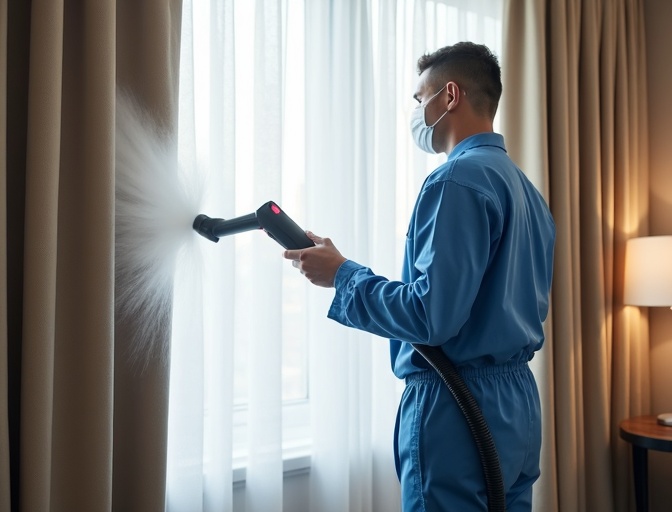
There are several ways to clean curtains, but for allergy prevention, steam cleaning is the clear winner. Here's why:
- Thermal Sanitization: The heat of the steam (well above 100°C) kills dust mites, bacteria, and fungal spores instantly.
- No Residual Chemicals: As discussed in our eco-friendly guide, avoid chemical solvents that can themselves be respiratory irritants. Steam uses only pure, filtered water.
- Deep Extraction: Our professional equipment doesn't just "move" the dust around; it extracts it from the core of the fabric and traps it in a waste tank.
- Onsite Convenience: Removing curtains and taking them to a dry cleaner can actually release a massive burst of allergens into the home. Onsite cleaning is much more controlled.
Recommended Cleaning Frequency for Health
While the general recommendation is every 12 to 18 months, allergy sufferers should consider a more proactive schedule. For individuals with chronic asthma or severe hay fever, a deep clean every 6 months is highly recommended. This ensures that the "reservoir" of allergens never reaches a level that triggers a health crisis.
Creating a "Low-Allergen" Bedroom
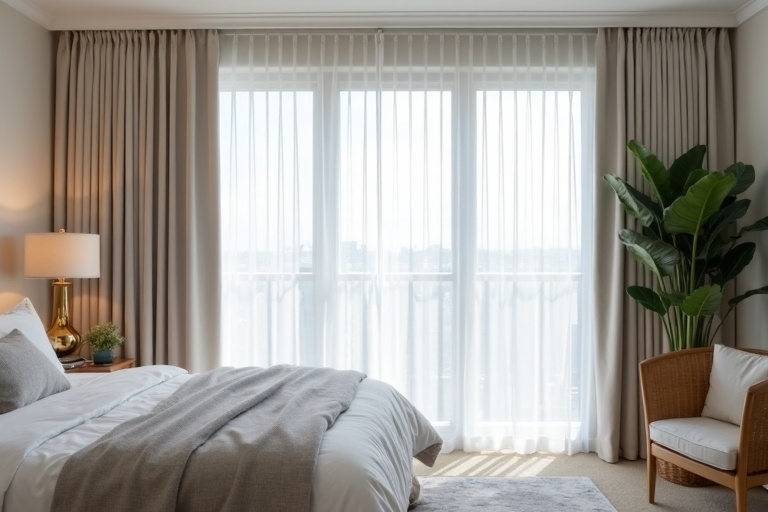
We spend about a third of our lives in our bedrooms. If your bedroom curtains are dirty, you are breathing in pollutants for 8 hours every night. This can lead to "morning congestion," poor sleep quality, and daytime fatigue. Prioritize the cleaning of your bedroom window treatments to ensure your body has a truly clean environment in which to recover each night.
Conclusion: Breathe Easier with Matty Curtain Cleaning
You shouldn't have to suffer in your own home. By recognizing the role your curtains play in trapping allergens and taking proactive steps to keep them clean, you can significantly improve your quality of life. Professional steam cleaning is more than a cosmetic service; it is an investment in your family's respiratory health. Don't let invisible triggers control your life—contact Matty Curtain Cleaning today and start breathing easier.